11th April – 17th May 2026.
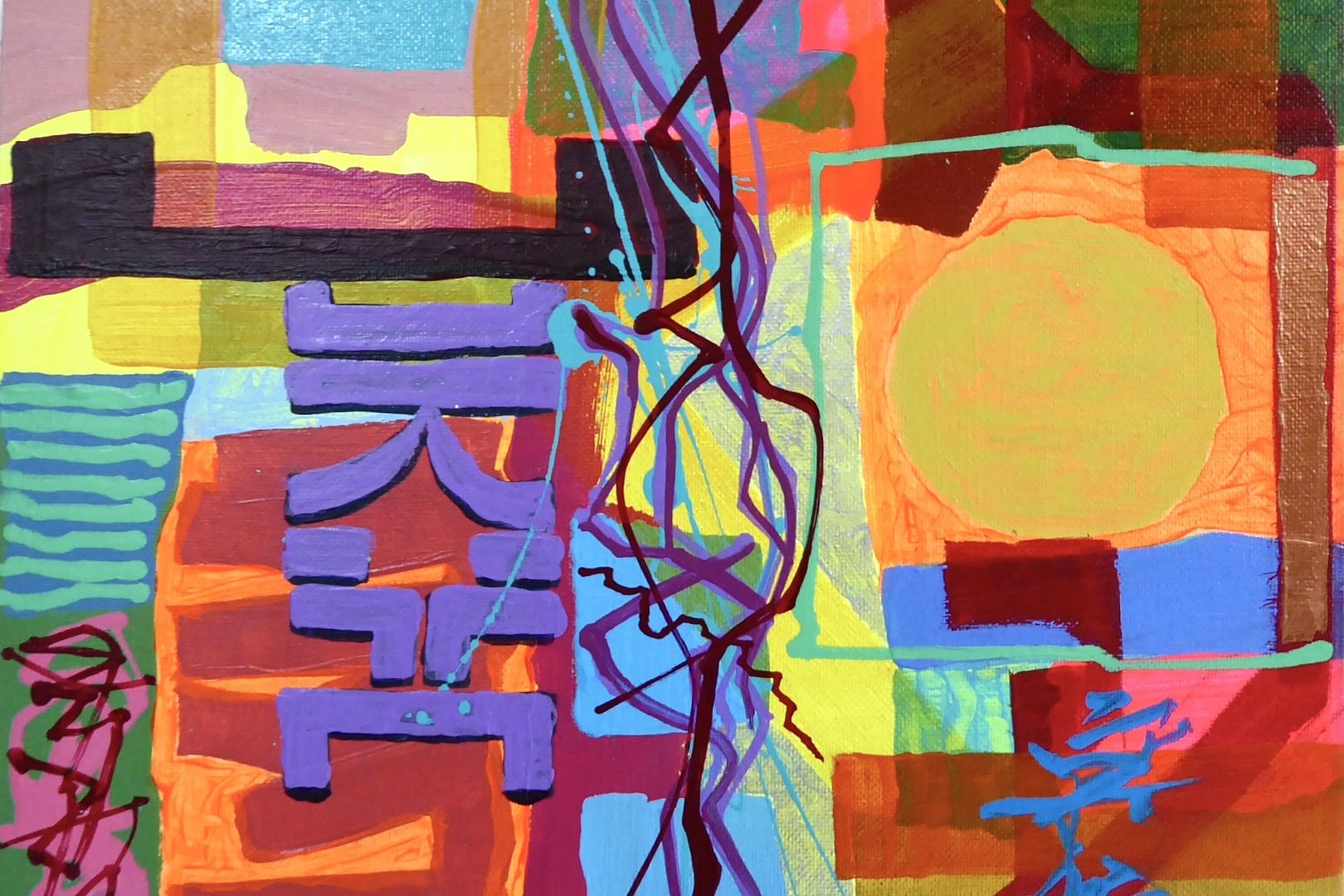
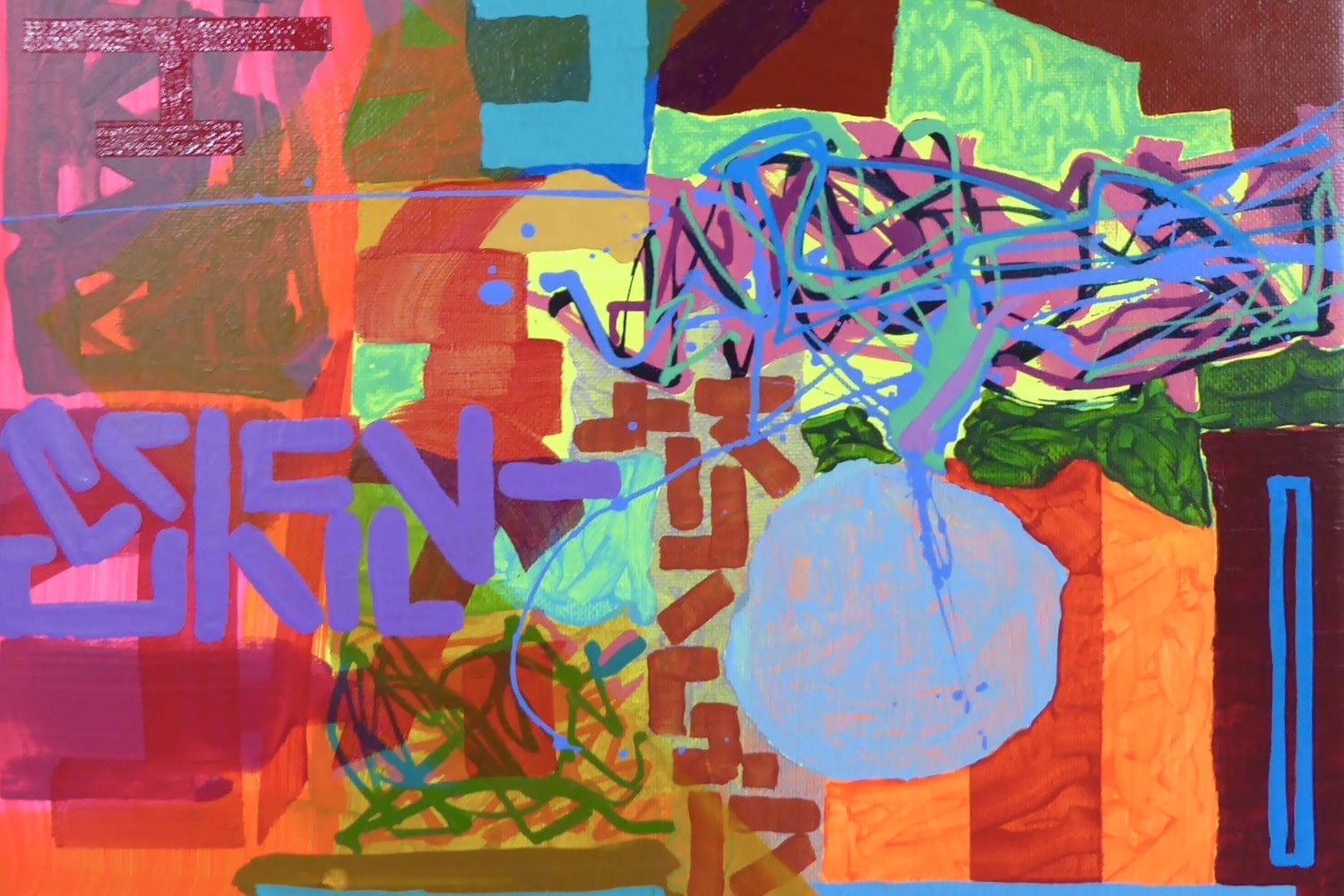
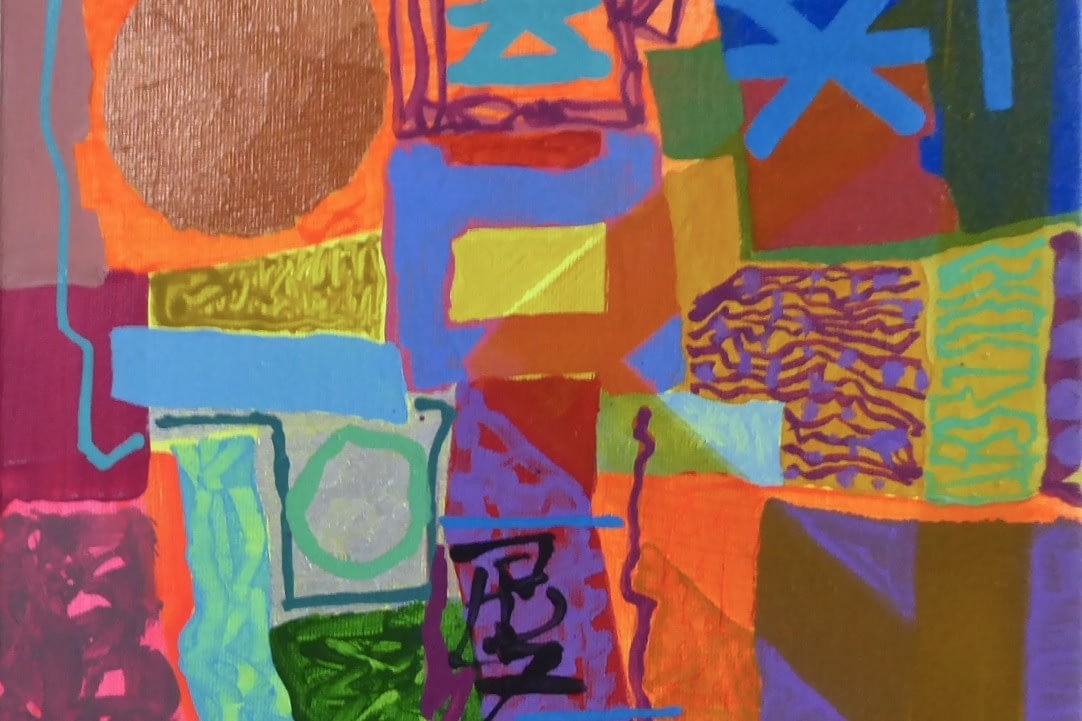
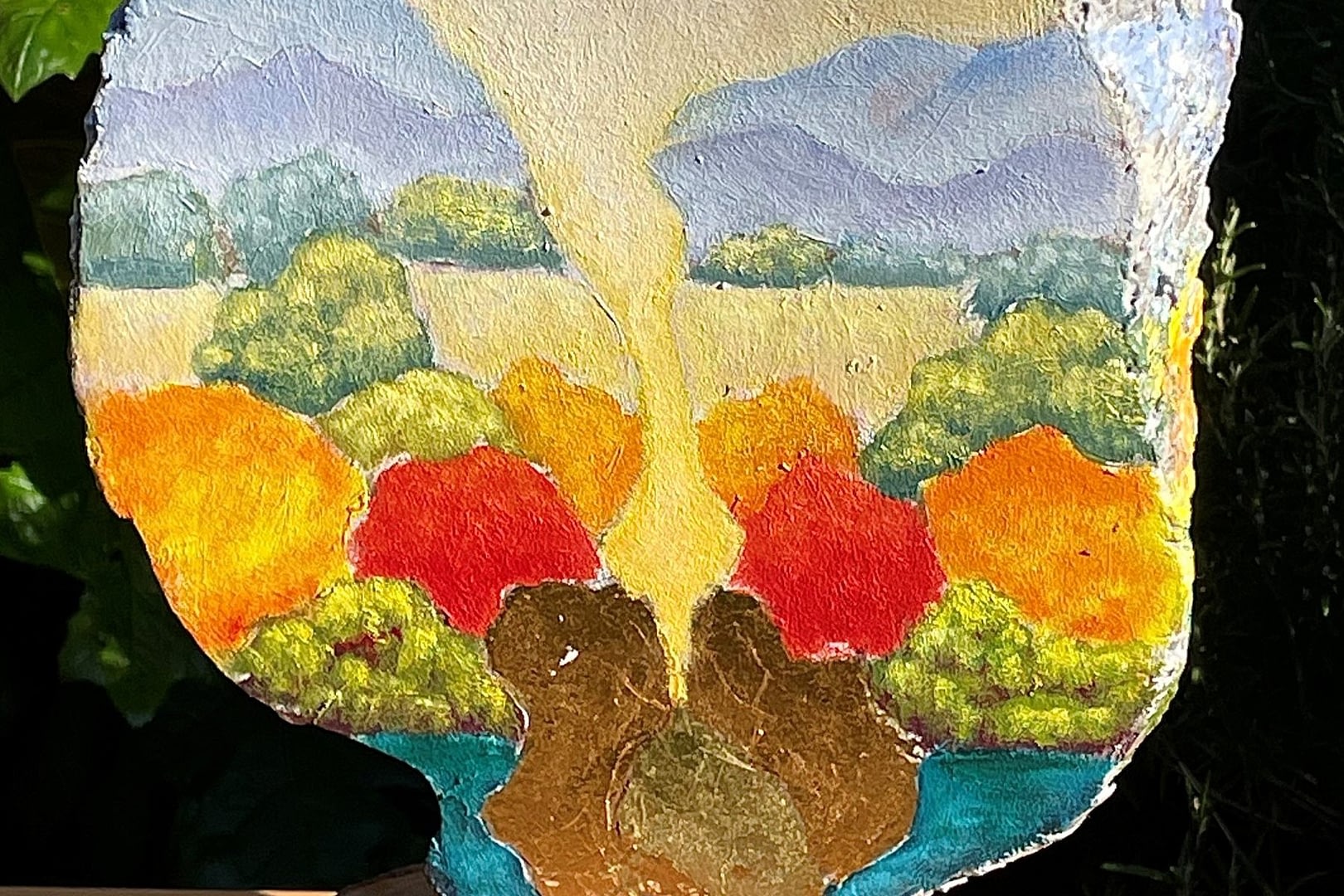
“Cysylltiad Lliw + Colour Connections” brings together two artists who are engaged with colour: Andrew Smith & John Hedley
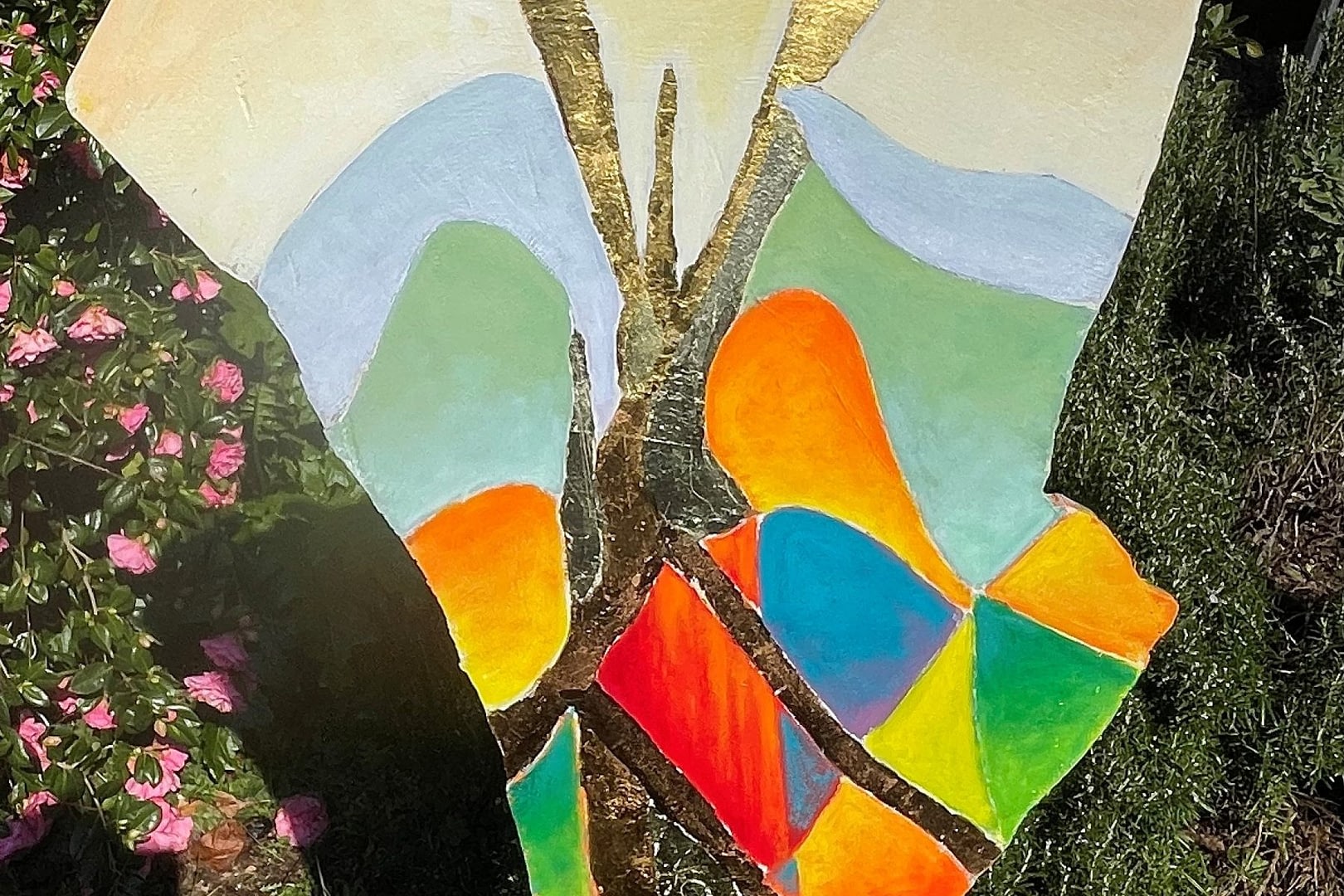
This exhibition is the culmination of a continual dialogue over several years and has led to a recent focused production time of new work and collaboration resulting from each artist’s similar as well as different perspectives on colour. Both artists use different methods and material to achieve strong and vibrant colour. The colour saturation and use of complementary are similar.
In terms of previous practice, both artists have searched for greater clarity in objective and subjective contexts, and both artists have developed parallel portfolios at different locations in Wales, Europe and global locations. In order to develop an understanding of and critically respond to each other’s creative methods, Smith and Hedley have made a series of paintings in their respective studios whilst maintaining a close critical dialogue that in turn has fed back to this joint exhibition.
Andrew Smith
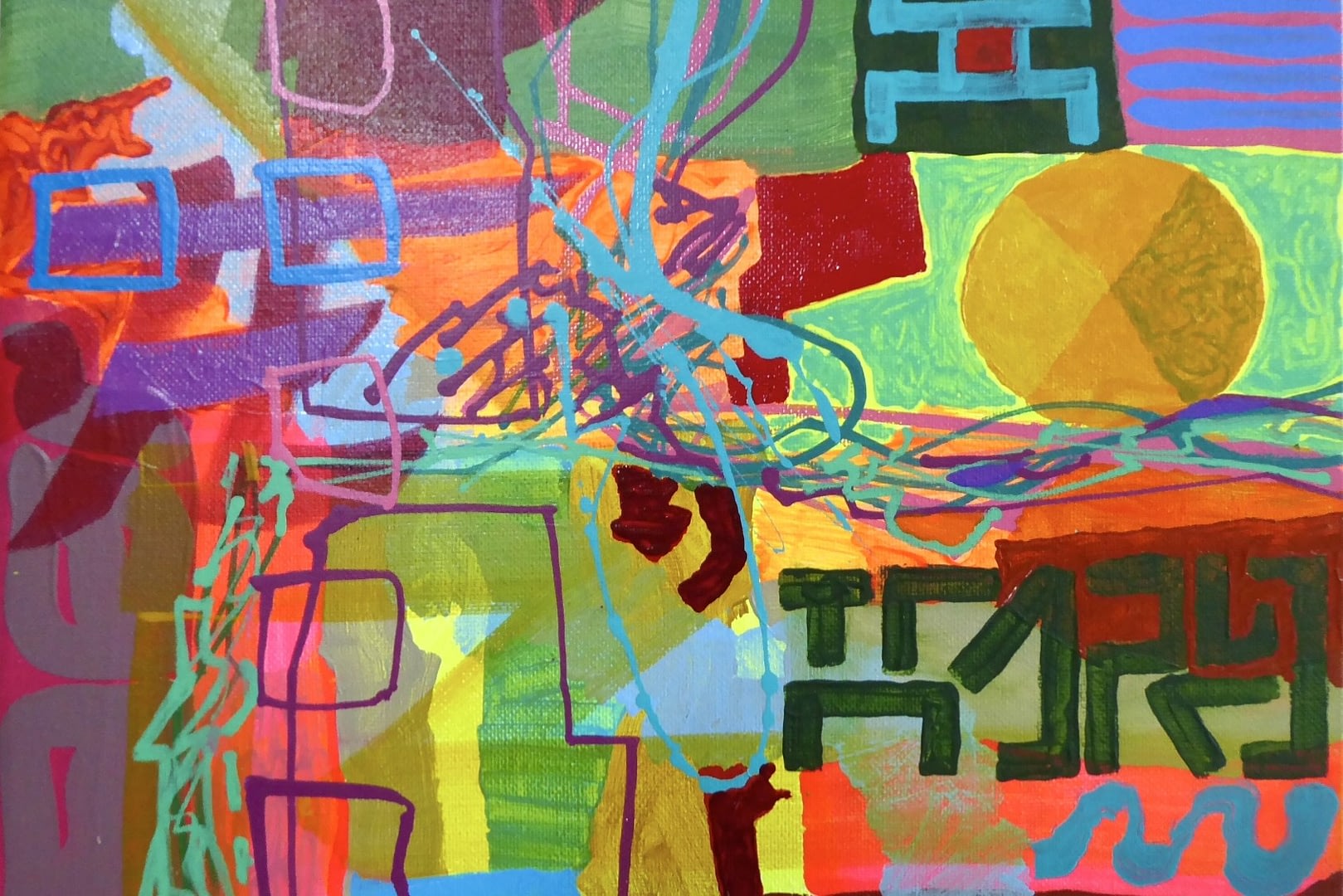
International placements have been a key feature of Andrew Smith’s recent practice. He defines working on location and subsequent reflective work, as creating ‘scapes’ (involving multiple facets of a subject) evolved through both exploratory studies and in the production of a definitive project portfolio for exhibition. Andrew’s most recent long term placement was in China 2023-4, where visual assimilation of method and application from a non-western perspective has been a central concern. Colour is the defining pictorial element, resonating with a calligraphic like application that through the process of making has placed recent work within a framework of different culture and place. The exhibition also features work made following an extended residency in Morocco, close to the Atlas mountains where the desert light was profoundly inspirational. The works titled Essaouira refer to the small town near Marrakesh that Andrew regularly visited and Ameln refers to the remote valley near Tafraoute, that has a backdrop of mountains providing an ever-changing colour experience.
Taking as a point of reference the idea of non-place, Andrew’s painting has evolved through a parallel questioning of objectivity, exploring memory and experience. He uses diffused imagery to interrogate reality, a dense clustering of line, shape and colour, intersections, gestures and directions. Through a desire for a more flexible and less structured image, his painting has developed to a more expressive idiom with gesture and the dynamic application of paint to the fore.
Painting is a recording of the mind in motion, instinctive; a suspension of consciousness and an absence of conclusion. Fragmentation is also a recent characteristic with areas of colour brought together as if by accident, colours are relating through juxtaposition rather than by design. As ever, the image is made only by a colour process that has no defined outcome. Rhythm, repetition and spontaneity are indicative of current work, combining both the rational and emotional state of making. Colour itself is both the subject and the image.
John Hedley | Colour as Language
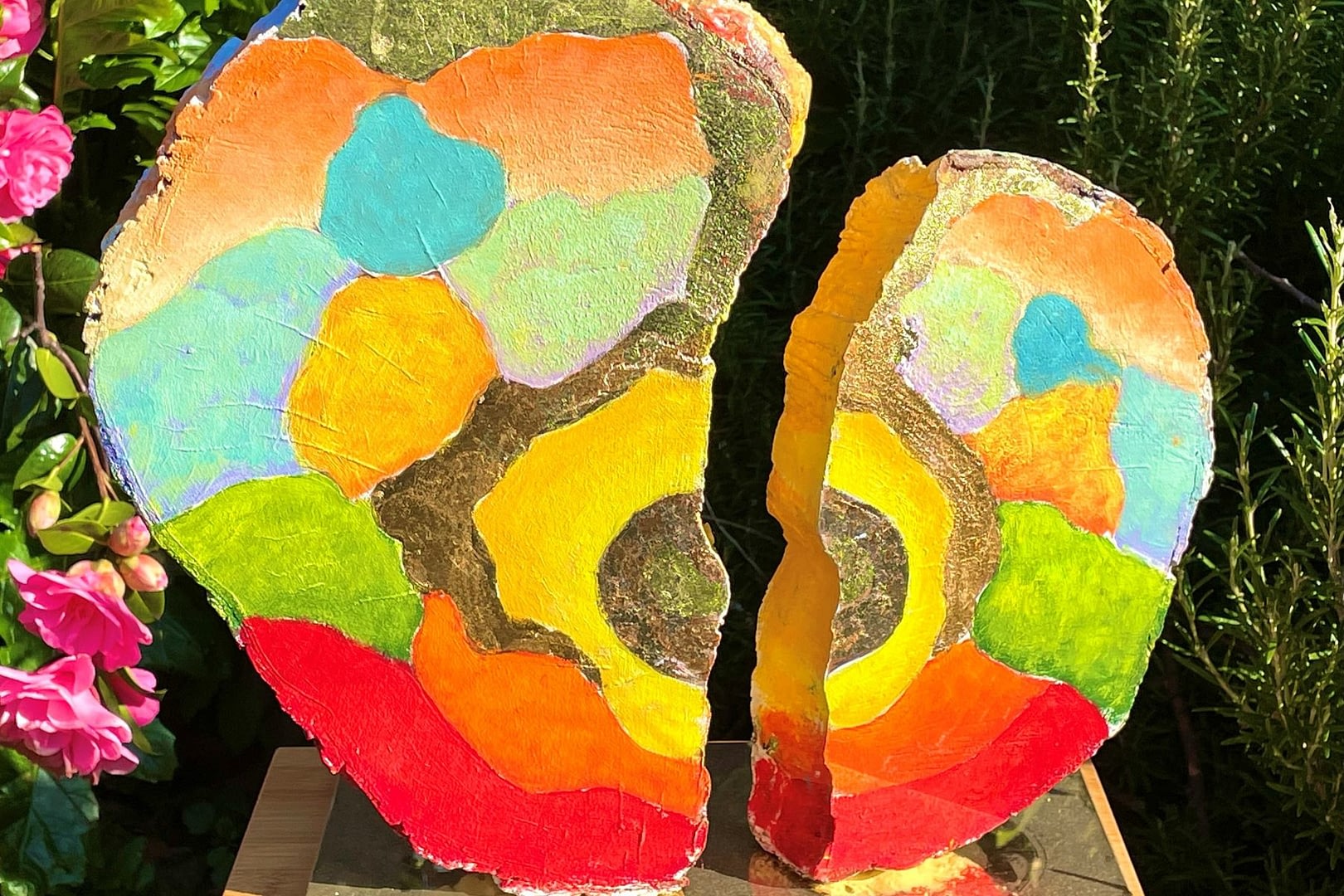
The works in my recent exhibitions supported by the Arts Council of Wales represent the culmination of many years of development and research, evolving from interpretations of nature combined with studies in iconography and the Byzantine influence on contemporary Greek art. They are a visual representation of art’s relationship to nature, symbolism and our place in both the natural world and the constructed world.
Each work is an organic, three- or two-dimensional abstraction composed of oil paint with gold and copperleaf variously layered on organically shaped pieces of native, naturally fallen wood. Sources of the wood are either local, for example Bodnant Gardens following Storm Anwen, Ynys Mon native woods and the island of Crete. Each piece is unique, with its own form of expression and its own story. The process is a symbiosis between artist, colour and medium which helps to evoke the environment in which the tree lived. The tree itself provides organic imagery that allows the emergence of symbolism and landscape through the abstraction inherent within the wood.
Responding to the shape, patterns and grain of the timber, the work transcends conventional uses of wood found in traditions such as icon painting. Both in contrast to and comparable with the veneration of Byzantine icons, we are reminded to humble ourselves in awe and wonder of that which stands before us, in this instance, the natural world that created us and inspired art.
During my creative journey I have also be influenced and studied how artists such as Kandinsky (Der Blaue Reiter), Klee, Klimt, Rothko, El Greco and to a lesser extent Post Impressionism have used colour.